
LBG StrikeBC Annual Meeting 2026 in Vienna
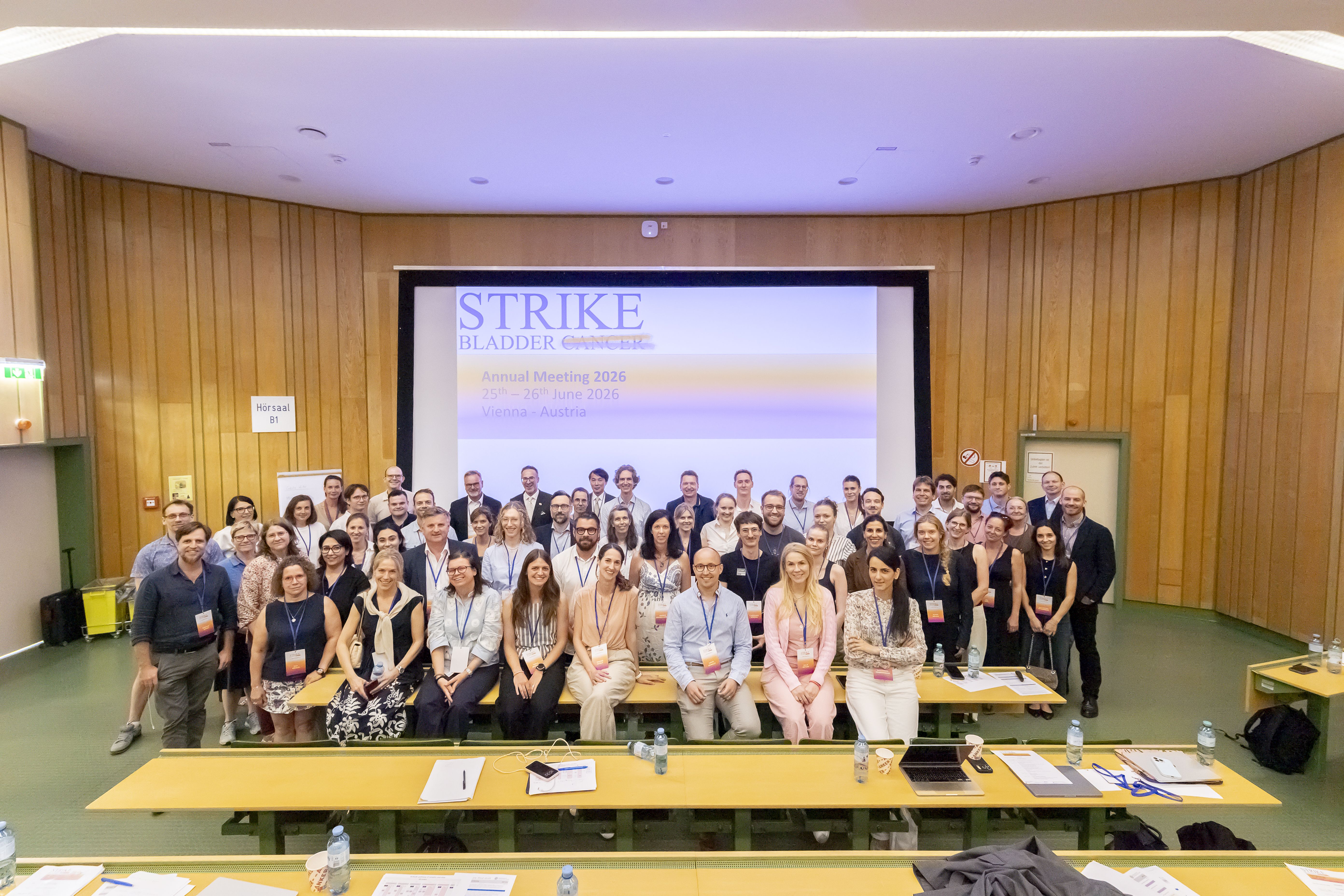
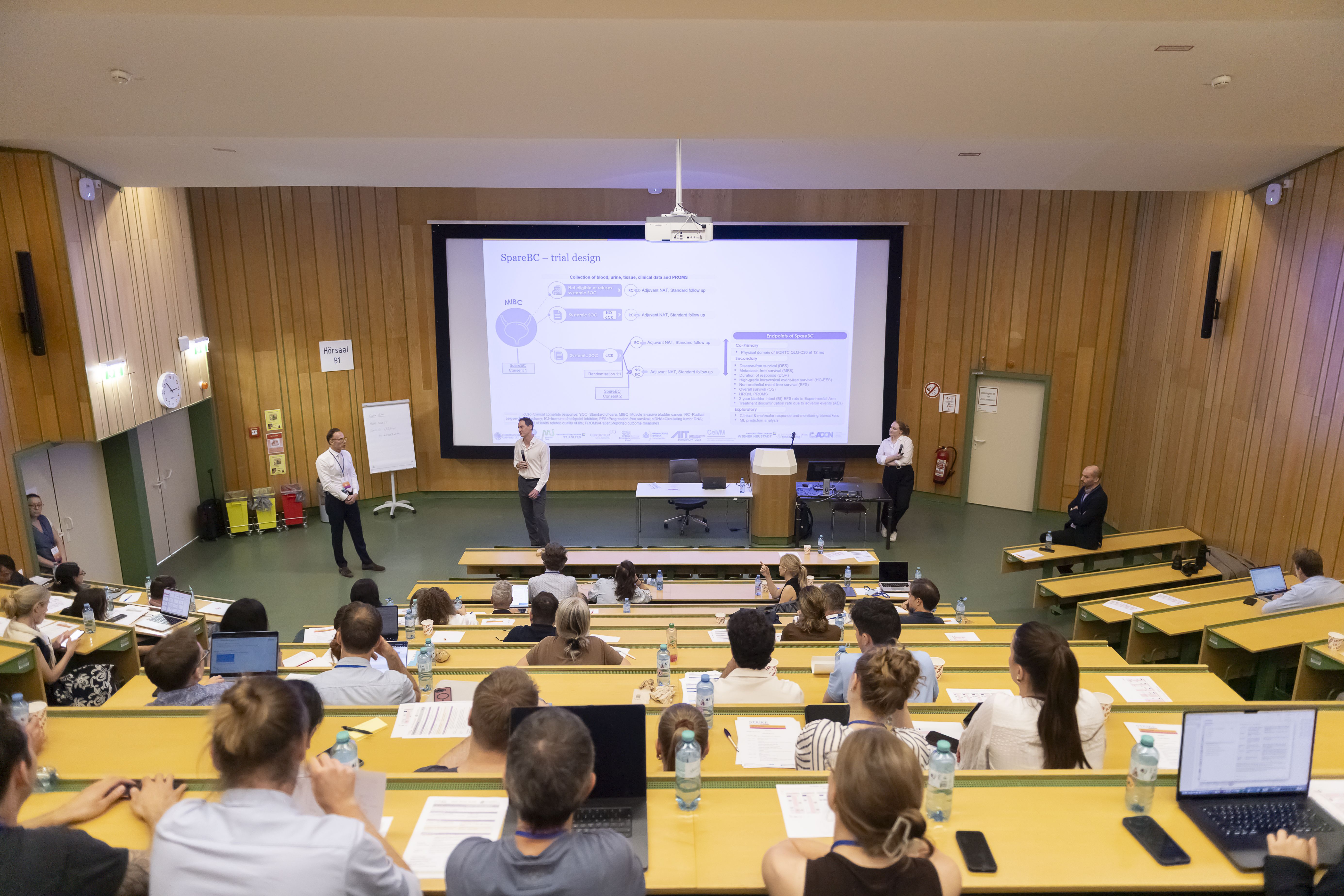
StrikeBC Annual Meeting 2026
June 25–26, 2026 | Medical University of Vienna
On June 25 and 26, 2026, the StrikeBC consortium gathered for its Annual Meeting at the Medical University of Vienna. For two days, project partners from across Austria exchanged updates on the current status of the nationwide research initiative aimed at improving the diagnosis and treatment of bladder cancer — funded by the Ludwig Boltzmann Gesellschaft (LBG).
StrikeBC
Bladder cancer is one of the most common and increasingly prevalent cancers worldwide. Because disease progression varies greatly from patient to patient, over- or under-treatment often occurs — with negative consequences for quality of life and survival prospects.
StrikeBC ("Strategies to Individualize Treatment for Bladder Cancer") is one of the largest nationwide research initiatives on bladder cancer in Austria to date. It is funded as a Clinical Research Group by the Federal Ministry of Education, Science and Research together with the Ludwig Boltzmann Gesellschaft (LBG) for up to eight years, with funding of around eight million euros.
The StrikeBC consortium is therefore building a nationwide research and training platform to make treatment decisions more individualized.
The mission: through excellent research, modern data infrastructure, and interdisciplinary collaboration, the consortium aims to create new, more effective, and patient-centered approaches to the diagnosis and treatment of bladder cancer — for a better future for those affected across Austria. The long-term goal is personalized, patient-oriented therapies that improve both survival chances and quality of life.
The Consortium
The StrikeBC consortium brings together experts from across Austria, combining clinical excellence with cutting-edge translational research. The partner institutions include the ACCN — the Medical University of Vienna (MedUni Vienna), the Medical University of Graz (MedUni Graz), and the Medical University of Innsbruck (MedUni Innsbruck), as well as University Hospital St. Pölten, University Hospital Wiener Neustadt, University Hospital Salzburg, the Barmherzige Brüder Vienna, and the Ordensklinikum Linz. In the area of translational research, partners also include CeMM (Research Center for Molecular Medicine) and AIT (Austrian Institute of Technology).
A Packed Program for a Shared Goal
Prof. Shahrokh Shariat and Priv.-Doz. Bernhard Englinger opened the meeting. The first conference day offered a comprehensive overview of the project's current status: alongside organizational matters and the ethics approval process, the focus was primarily on the practical foundations of the study — from the study protocol and the database to the concrete procedures for imaging, sample collection and shipping, and patient questionnaires. This covered all the essential building blocks needed for a smooth and consistent study workflow across participating centers. This thematic breadth reflects StrikeBC's ambition: to create a unified, well-documented, and quality-assured foundation for sample management, imaging, and clinical data across all participating centers — as the basis for robust bladder cancer research findings.
Day Two: Digital Platform and Practical Test Run
The second day began Friday morning with a look at the project's digital infrastructure: Florian Trummer and Andrey Eskin presented the StrikeBC platform, the project website concept, and e-learning and outreach activities: https://strikebc.org/
The largest agenda item of the morning was a mock run of a study patient's journey: Katharina Oberneder, Ekaterina Laukhtina, and Stephan Brönimann guided participants step by step through the entire process — from patient enrollment and informed consent, through database entry, biomaterial collection, labeling, and shipping, to PROMs, pathology specimens, and MR images. This hands-on simulation helped all sites clarify open questions ahead of the actual study launch.
Outlook
The 2026 Annual Meeting demonstrated how far the StrikeBC consortium has already progressed in its preparations — from ethics approval to harmonized study procedures to the digital training platform. With the successful mock run as a practical stress test, the participating centers are now an important step closer to actively recruiting patients.
ACCN Meeting in Vienna: Joint Roadmap for the Network's Strategic Development
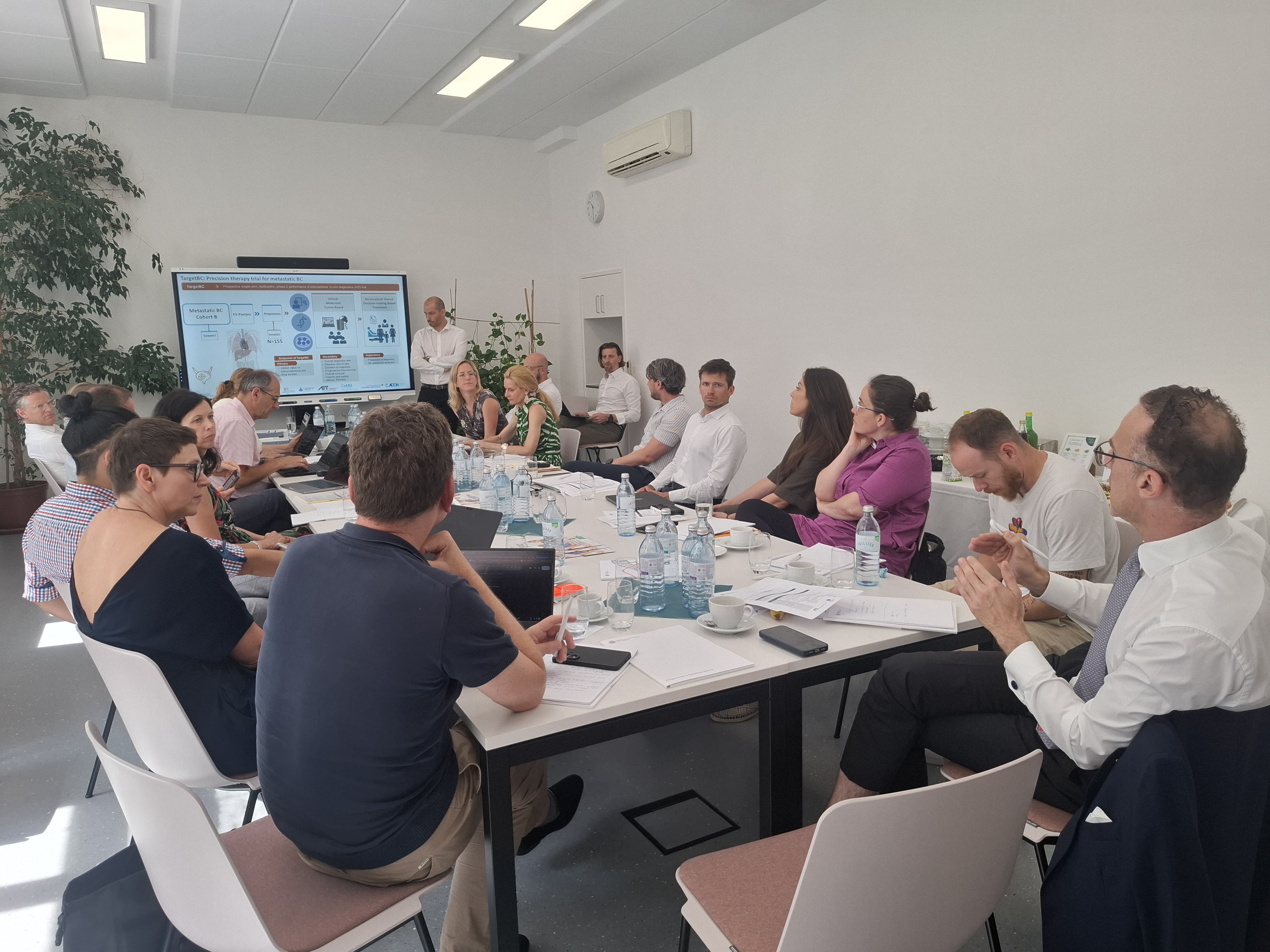
ACCN Meeting Prepares Next Development Phase
On June 22, 2026, representatives of the three Austrian Comprehensive Cancer Centers from Vienna, Graz, and Innsbruck met at the Rectorate Building of the Medical University of Vienna to prepare the next development phase of the Austrian Comprehensive Cancer Network (ACCN). The focus was on a joint strategic roadmap, clear governance structures, visible flagship projects, and the network's continued European integration.
The Austrian Comprehensive Cancer Network combines the expertise, resources, and structures of the Comprehensive Cancer Centers at the Medical Universities of Vienna, Graz, and Innsbruck. The ACCN's goal is to further strengthen cross-site collaboration in cancer research, prevention, care, clinical trials, digitalization, and patient involvement, thereby creating sustainable added value for patients and research in Austria.
The meeting was opened by Vice-Rector Michaela Fritz and Univ.-Prof. Dr. Shahrokh F. Shariat, Head of CCC Vienna. Together with Univ.-Prof. Dr. Philipp Jost, Head of CCC Graz, and Univ.-Prof. Dr. Dominik Wolf, Head of CCC Innsbruck, the strategic advancement of the ACCN is guided by closer nationwide collaboration and a stronger position within the European context.
The discussion revealed broad consensus: beyond the current 2025–2027 performance agreement, the ACCN is to be further developed into a visible, capable, and internationally connected Comprehensive Cancer Network. By the next ACCN meeting in November 2026, a strategic roadmap with clear milestones, responsibilities, and concrete deliverables is to be in place.
Clear Structures for a Strong Network
A key focus of the meeting was the further development of ACCN governance. Going forward, responsibilities at the project and site level are to be defined even more clearly. Tumor-type-specific working groups, known as Disease Entities, are to be strengthened as the organizational backbone. In addition, the establishment of a Young ACCN was discussed as an important step toward engaging and supporting the next generation of oncology researchers and clinicians.
Data Strategy as the Foundation for Joint Projects
The data strategy was highlighted as the central foundation for nearly all future ACCN activities. Plans include shared data spaces, harmonized standards, defined minimal datasets, and codebooks for prioritized Disease Entities. International standards such as FHIR, OMOP, and SNOMED CT, along with the involvement of data stewards, are intended to make clinical and scientific data more usable across sites. Digital infrastructure was explicitly understood as an enabler — one that should follow clinical and scientific needs and specifically support joint projects.
Flagship Projects with National Impact
Several concrete collaborative projects were presented as key building blocks for the ACCN's continued development. These include STRIKE BC as a national proof-of-concept that successfully combines clinical research, data infrastructure, biobanking, and patient involvement. The project serves as an example of how cross-site collaboration within the ACCN can be put into practice.
Another focus was the concept of a National Molecular Tumor Board for complex and rare oncological cases. Building on existing expertise — particularly the Graz model — a nationwide MTB network is to be developed further, featuring uniform quality standards, a shared scientific cohort, and structured use of national expertise.
In addition, the ACCN study portal, joint web services for clinical trials, survivorship programs, a survivorship passport, and disease-specific data models were defined as important projects for the coming months.
Patient Involvment as a Strategic Guiding Principle
The systematic involvement of patients and patient representatives was highlighted as a key success factor for the ACCN. Patient benefit is to become more visible going forward as an overarching guiding principle across all projects. Concrete plans include closer collaboration with patient representative bodies, the integration of Patient Advisory Boards into research projects, and a dedicated patient advocacy session at the next ACCN meeting in November.
Expanding European Integration
The ACCN's continued development was consistently discussed in a European context. Collaborations with European partners — particularly the Bavarian Center for Cancer Research — are to be deepened further. At the same time, joint Horizon Europe applications are to be prepared, and the ACCN's visibility within European initiatives such as EUnetCCC, Mission Cancer, and the European Health Data Space is to be strengthened.
The meeting in Vienna thus marked an important step in the ACCN's next development phase. In November 2026, the working groups are expected to present concrete results. The shared goal is clear: the ACCN should become an even more visible, structured, and effective nationwide network — for patients, research, and modern, connected cancer care.
Joint Research Initiative: Bavaria and Austria Investigate Innovative Bladder Cancer Treatments for the First Time
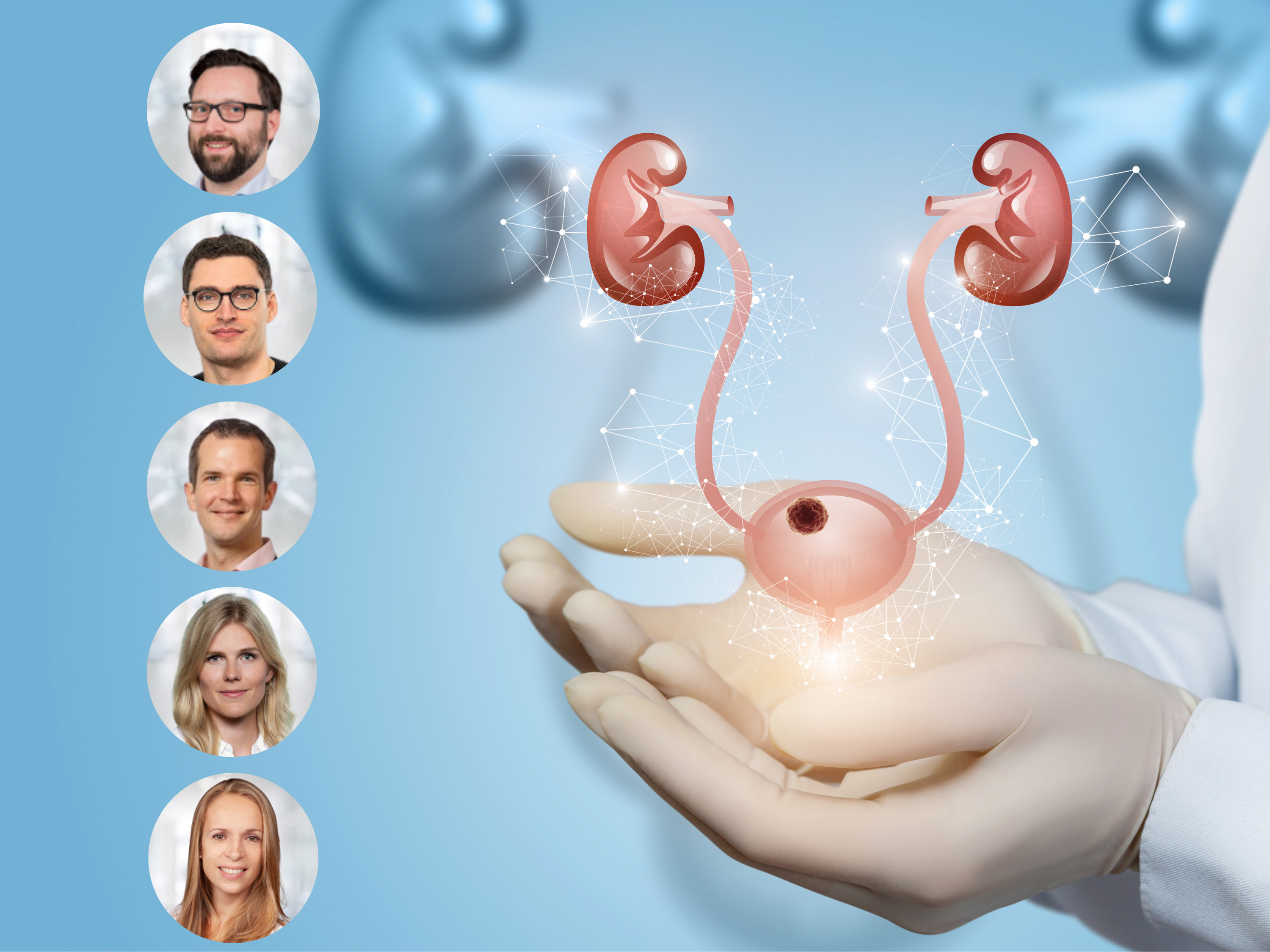
(Munich/Vienna/Graz/Innsbruck, January 7, 2026) - The Austrian Comprehensive Cancer Network (ACCN), comprising the Medical Universities of Vienna, Graz, and Innsbruck, and the Bavarian Center for Cancer Research (BZKF) with the six Bavarian university hospitals, are launching a joint study to investigate new therapies for urothelial carcinoma, an aggressive form of bladder cancer. The research project is examining specific biological markers (biomarkers) to accelerate the translation of research into patient care. To this end, both existing data and new information from current studies will be utilized.
The treatment of muscle-invasive and metastatic urothelial carcinoma has changed dramatically in recent years. This relatively common disease continues to take a heavy toll on those affected and is associated with a high risk of death. The goal of this project is to gain a much better understanding of why certain bladder cancer patients do not respond fully to modern chemotherapy and immunotherapy—and which therapeutic alternatives would be more suitable for patients with poor response. To this end, the study will investigate which therapy-resistant tumor groups exhibit specific surface characteristics that can serve as targets for so-called modern antibody-drug conjugates. These targeted drugs deliver their active ingredient specifically to cancer cells and can therefore be significantly more effective than conventional chemotherapies.
The treatment of muscle-invasive and metastatic urothelial carcinoma has changed dramatically in recent years. This relatively common disease continues to take a heavy toll on those affected and is associated with a high risk of death. The goal of this project is to gain a much better understanding of why certain bladder cancer patients do not respond fully to modern chemotherapy and immunotherapy—and which therapeutic alternatives would be more suitable for patients with poor response. To this end, the study will investigate which therapy-resistant tumor groups exhibit specific surface characteristics that can serve as targets for so-called modern antibody-drug conjugates. These targeted drugs deliver their active ingredient specifically to cancer cells and can therefore be significantly more effective than conventional chemotherapies.
Shahrokh Shariat, Head of the Department of Urology and the Comprehensive Cancer Center (CCC) at MedUni Vienna and Vienna General Hospital (AKH), as well as spokesperson for the ACCN, emphasizes: “The one-year funding phase serves as crucial seed funding for future joint project proposals in the European Union. With this project, BZKF and ACCN are sending a strong signal for European collaboration in cutting-edge research—with the clear goal of providing patients with aggressive urinary tract cancer with better and more personalized treatment options.”
Austrian Comprehensive Cancer Network (ACCN)
The Austrian Comprehensive Cancer Network (ACCN) pools the resources and expertise of the three Austrian Comprehensive Cancer Centers (CCC) in Vienna, Graz, and Innsbruck to jointly develop innovative treatment approaches and research findings for cancer patients. The ACCN’s goal is to further improve prevention and cutting-edge medical care in oncology by connecting local structures and to make optimal use of the synergies among the three locations to fight cancer together.
Bavarian Center for Cancer Research (BZKF)
The Bavarian Center for Cancer Research (BZKF) aims to provide all residents of Bavaria, regardless of where they live, with access to the best possible and most innovative treatments. By bringing together the six Bavarian university hospitals and universities in Augsburg, Erlangen, the two locations in Munich, Regensburg, and Würzburg, the initiative not only advances cancer research but also pools expertise and knowledge on early detection, treatment, and follow-up care for cancer, while simultaneously offering comprehensive and interdisciplinary care to those affected. The BZKF’s BürgerTelefonKrebs offers a straightforward way to receive personalized advice on all questions regarding cancer via the toll-free number +49 (0)800 85 100 80.
Austrian Comprehensive Cancer Network (ACCN) und Bayerisches Zentrum für Krebsforschung (BZKF) vertiefen Kooperation in der Krebsforschung
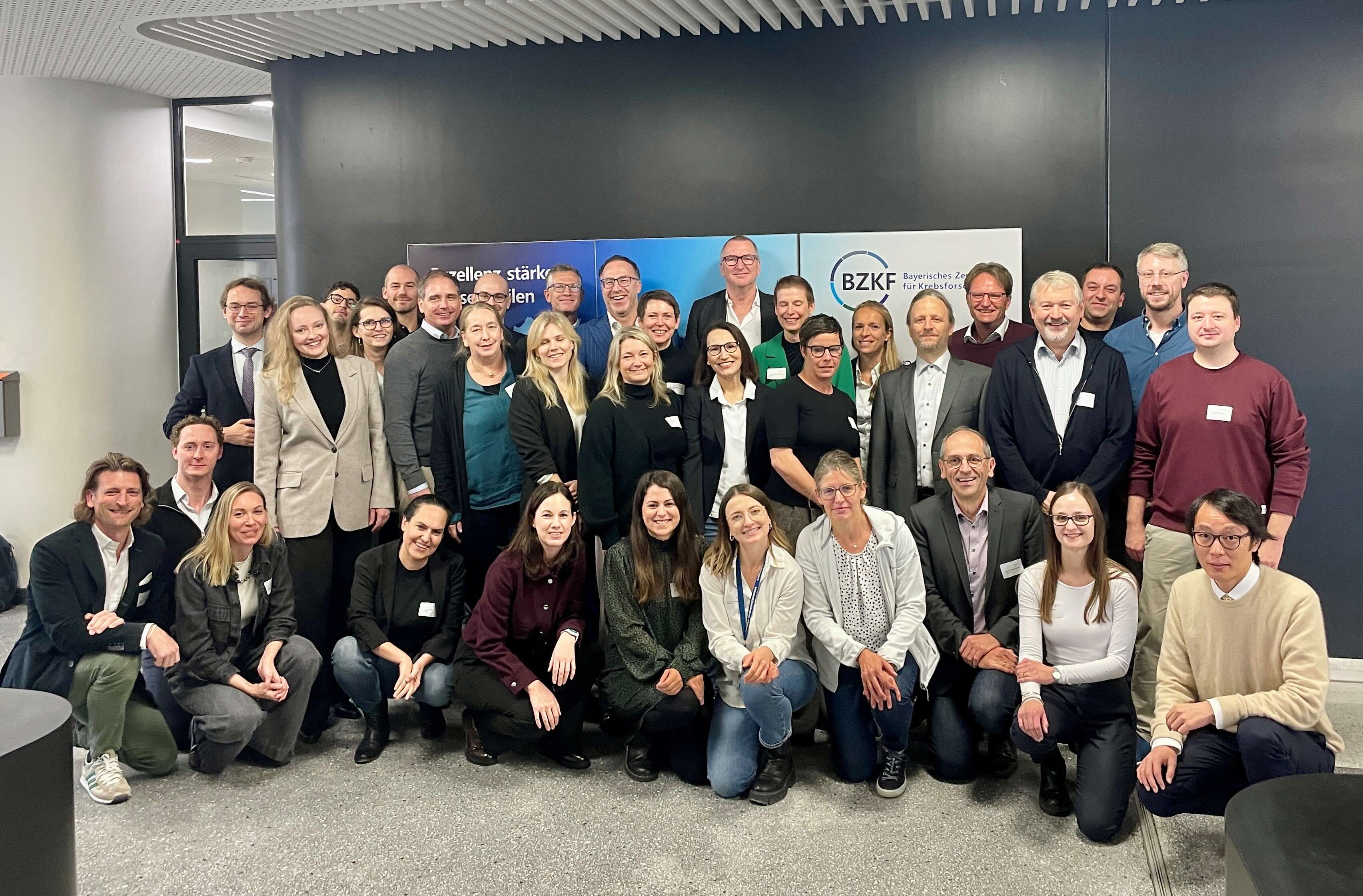
(Munich/Vienna/Innsbruck/Graz, October 13, 2025) – A delegation from the Austrian Comprehensive Cancer Network (ACCN) visited the Bayerische Zentrum für Krebsforschung (BZKF) in Erlangen on October 9 and 10, 2025, to explore joint opportunities in oncology.
The focus was on concrete steps to strengthen scientific cooperation between Austria and Bavaria. Representatives of the ACCN—comprising the Medical Universities of Vienna, Graz, and Innsbruck—discussed strategies for joint EU grant applications, synergies in clinical trial infrastructure, and best-practice models for research funding and data management with partners from the BZKF.
Working groups have already developed initial proposals for bilateral research projects, particularly in the areas of translational studies and the use of clinical data. Discussions at the Translational Research Center (TRC) in Erlangen underscored a shared understanding of the importance of networked cancer research as a prerequisite for innovation and the reliability of care.
The partnership between ACCN and BZKF was officially launched in July 2025 as part of BZKF’s fifth-anniversary celebrations. The goal is to establish a cross-border alliance that strengthens excellence in cancer research and care across national borders. The agreement was signed in the presence of representatives from both countries, including Bavarian Minister of State for Science and the Arts Markus Blume and Michaela Fritz, Vice Rector for Research at the Medical University of Vienna.
Gemeinsam gegen Krebs: Austrian Comprehensive Cancer Network und Bayerisches Zentrum für Krebsforschung starten Kooperation
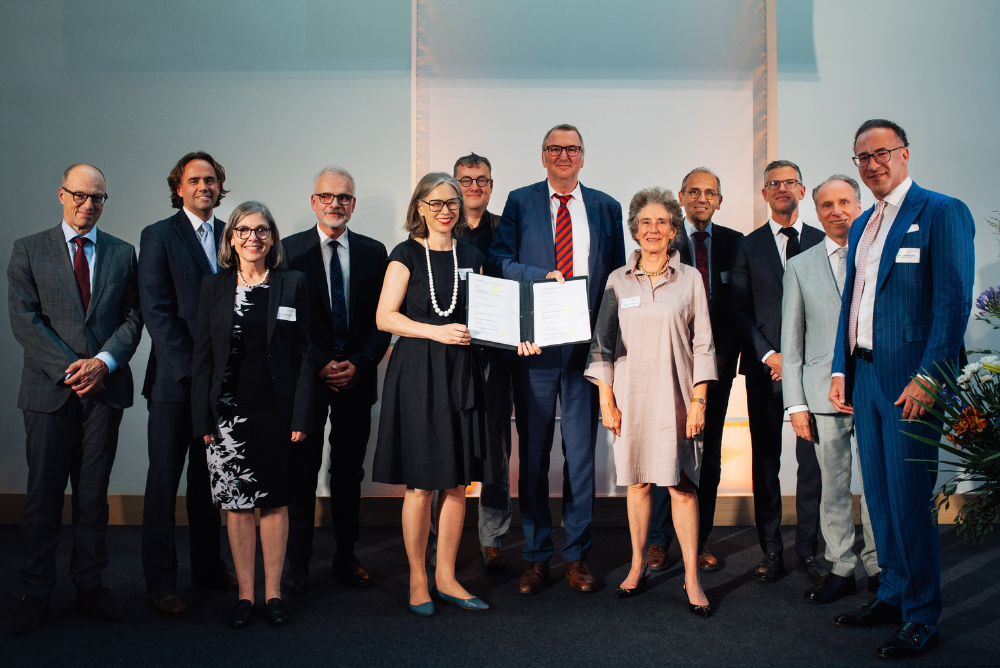
(Munich/Vienna/Graz/Innsbruck, July 21, 2025) – The cooperation agreement signed in Munich between the Bavarian Center for Cancer Research (BZFK) and the Austrian Comprehensive Cancer Network (ACCN) of the Medical Universities of Vienna, Graz, and Innsbruck is strategically anchored in the EU’s mission to combat cancer. The agreement marks the beginning of one of the first transnational partnerships between cancer centers in Europe. Its goal is to further improve the lives of cancer patients by promoting cancer research and optimizing the healthcare landscape. The ministries of science and health of Austria and Bavaria support this initiative.
The signing took place in the presence of high-ranking representatives of the Bavarian state government, representatives of the Austrian Federal Ministry for Women, Science, and Research, and representatives from the Comprehensive Cancer Centers and the rectorates of the three Austrian medical universities. The event was held as part of the BZKF’s fifth-anniversary celebration; with its six university cancer centers, the BZKF serves more than 13 million people.
The collaboration between the ACCN and the BZKF is one of the first transnational partnerships between leading oncology centers in Europe and is explicitly aligned with the goals of the EU’s Mission Cancer. The aim of this collaboration is to establish a regional hub of excellence in oncology in the heart of Europe to promote joint clinical trials, translational research, digital innovation, training, and prevention. The intention is to create transnational networks—networks that benefit every citizen, from prevention to cancer treatment.
“Research, medical care, and progress must not stop at national borders. “Through the partnership between the ACCN and the BZKF, we are sending a strong European signal in the fight against cancer—mission-driven, patient-centered, and forward-looking. Because only by working together across all borders can we overcome the major health challenges of our time,” emphasizes Eva-Maria Holzleitner, Austria’s Federal Minister for Women, Science, and Research.”
Commenting on the new partnership between the BZKF and the ACCN, Bavaria’s Minister of State for Science and the Arts, Markus Blume, said: “Modern cancer medicine requires data, digitalization, and dialogue. Cancer does not stop at national borders—and neither does our research: With the partnership between the Bavarian Center for Cancer Research and the Austrian Comprehensive Cancer Network, we are ushering in a new era of Bavarian-Austrian research collaboration. For us, one thing is clear: Together, we can overcome the major medical challenges of our time.”
ACCN: Austria’s National Response to the EU Mission Cancer
The Austrian Comprehensive Cancer Network (ACCN) brings together the three university-based Comprehensive Cancer Centers in Vienna, Graz, and Innsbruck to form a national alliance for excellence in oncology. As the official Austrian partner of the EU Mission Against Cancer, the ACCN aims to establish precision medicine care, early-phase clinical trials, joint tumor boards, and national education programs—in close coordination with ministries, European partner networks, and patients and their families.
BZKF: Five Years of Impactful Cancer Research in Bavaria
The Bavarian Center for Cancer Research (BZKF) was founded in 2019 with the goal of providing all citizens in Bavaria with access to the best possible, most up-to-date, and innovative cancer treatments—regardless of where they live. With its six university cancer centers in Munich (LMU and TUM), Erlangen, Würzburg, Regensburg, and Augsburg, it brings together research, clinical innovation, and quality of care for over 13 million people.
Europe United Against Cancer
This new partnership demonstrates how regional collaboration can contribute to the implementation of global strategies such as Mission Cancer. The core areas of the partnership include:
- Joint clinical trials—particularly in early-stage and precision oncology
- Networked tumor boards and biomedical infrastructures
- Training programs for oncology professionals and early-career researchers
- Joint projects in the areas of digitalization, follow-up care, prevention, and patient engagement
- Coordination of cross-border funding projects at the EU level
Vienna, Innsbruck and Graz together against cancer: first concrete projects in the Austrian Comprehensive Cancer Network (ACCN)

73 high-ranking and highly motivated cancer experts from the Comprehensive Cancer Centers in Vienna, Innsbruck and Graz worked together intensively at the ACCN Project Meeting on the campus of the Medical University of Vienna and Vienna General Hospital in Vienna on May 27, 2024. The aim: to define specific Austria-wide collaboration projects where patients and researchers can benefit from cross-center cooperation. The three heads of the CCC Vienna, Shahrokh F. Shariat, Innsbruck, Dominik Wolf, and Graz, Philipp Jost, invited the participants, who were highly motivated and the results are impressive.
The Austrian Comprehensive Cancer Network (ACCN) pools the resources and expertise of the three Austrian CCCs in Graz, Vienna and Innsbruck in order to jointly develop innovative treatment approaches and research results for cancer patients. The aim of the ACCN is to further improve prevention and cutting-edge medicine in oncology through the networking of local structures and to make optimum use of synergies between the three locations in order to fight cancer together.

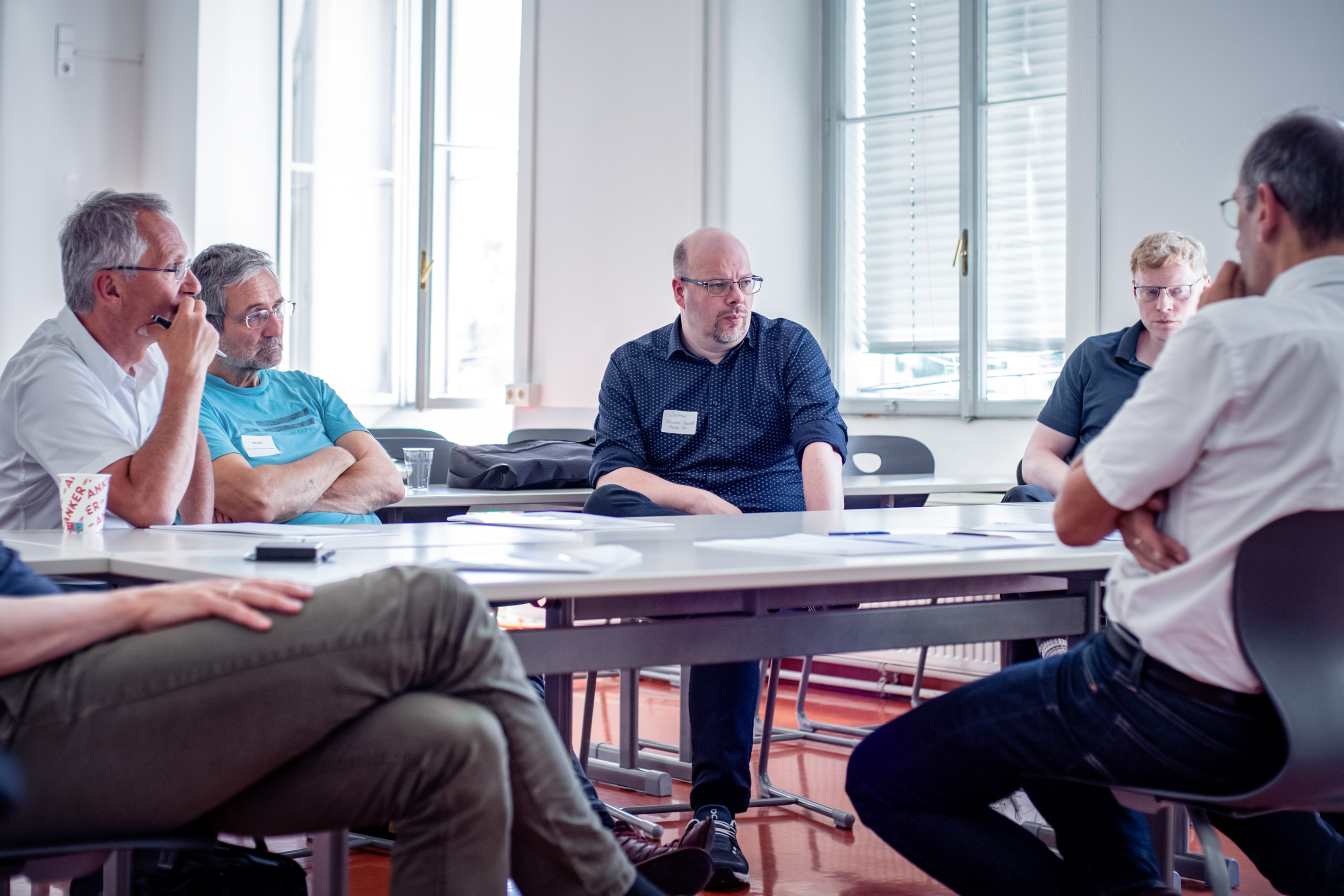




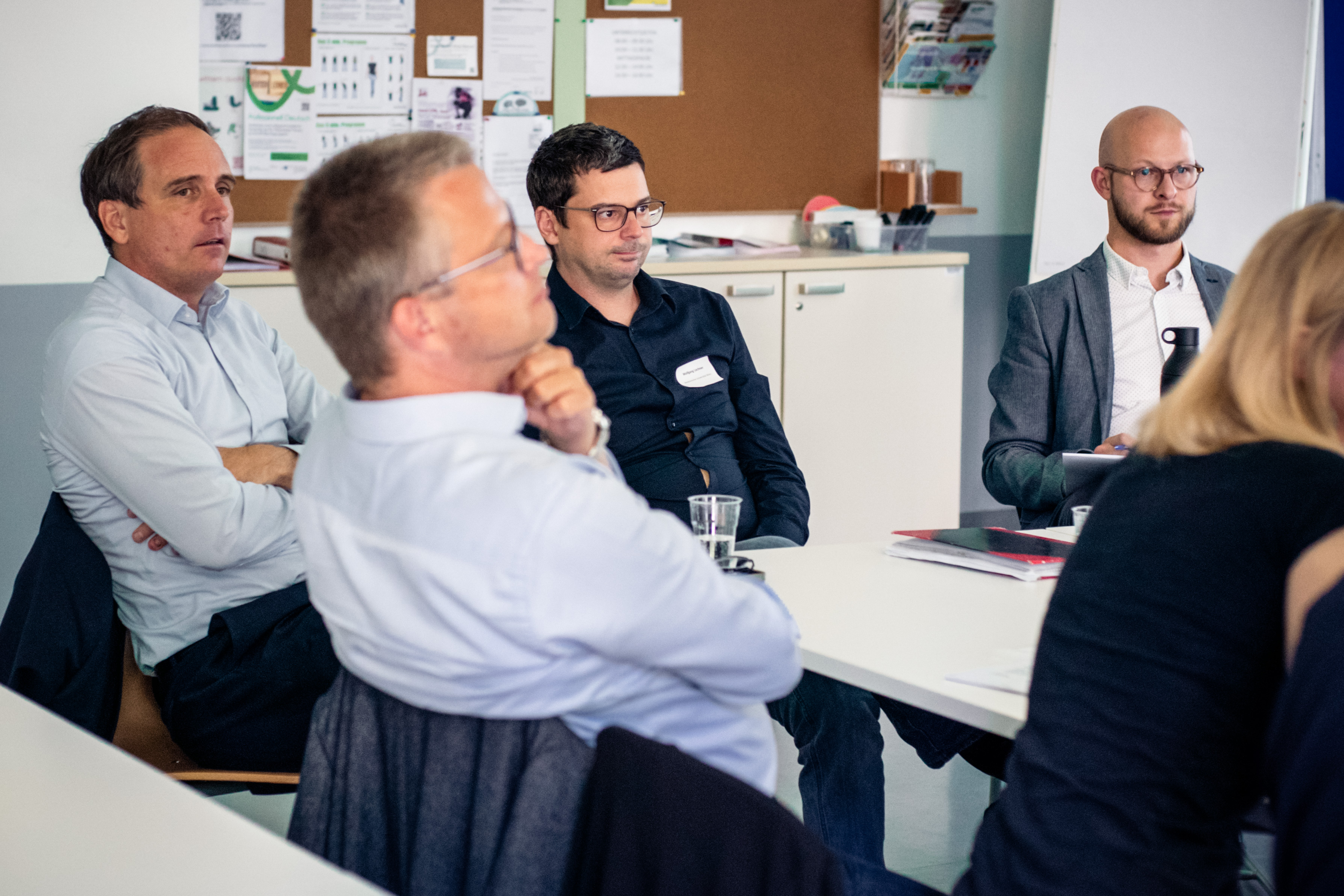
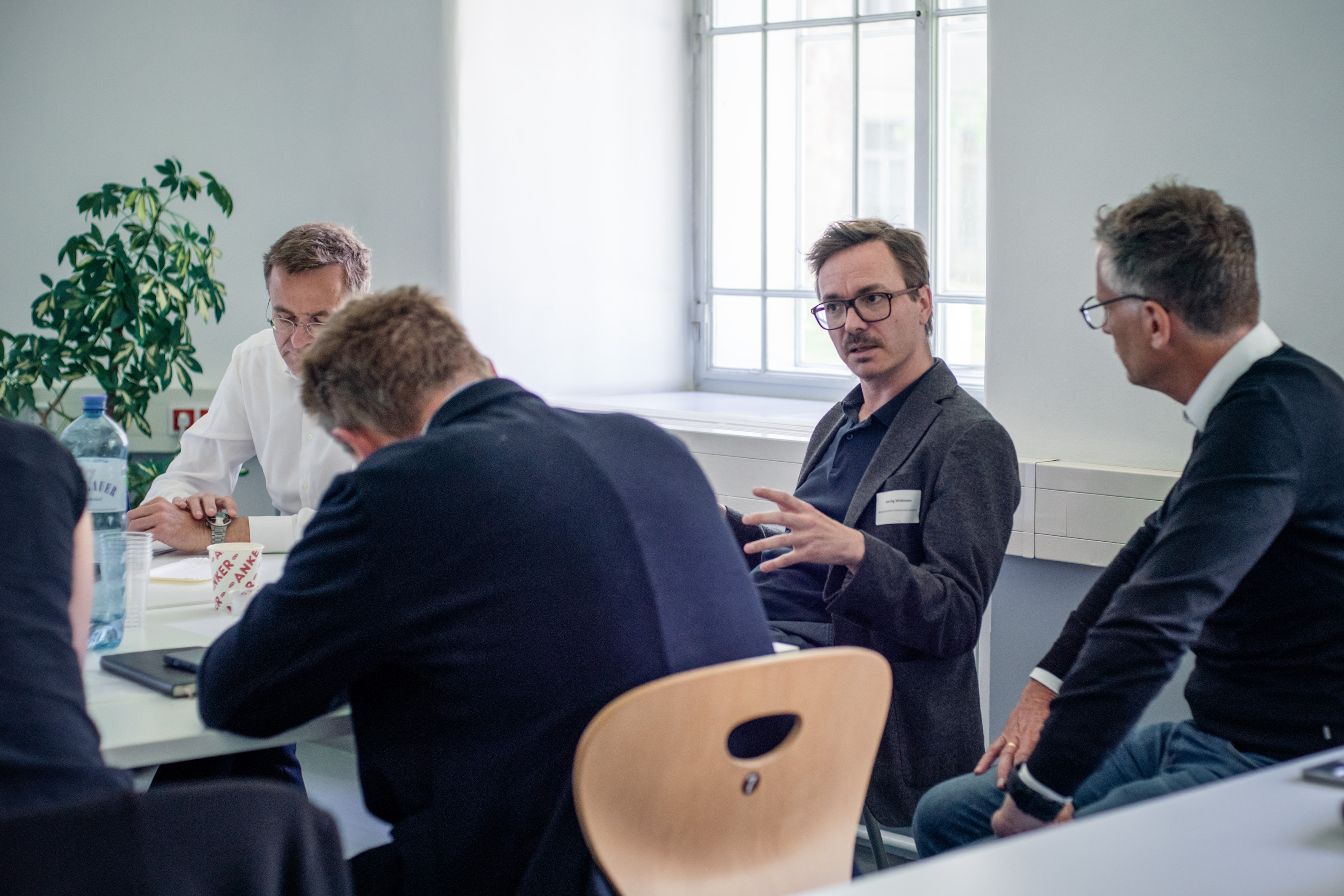




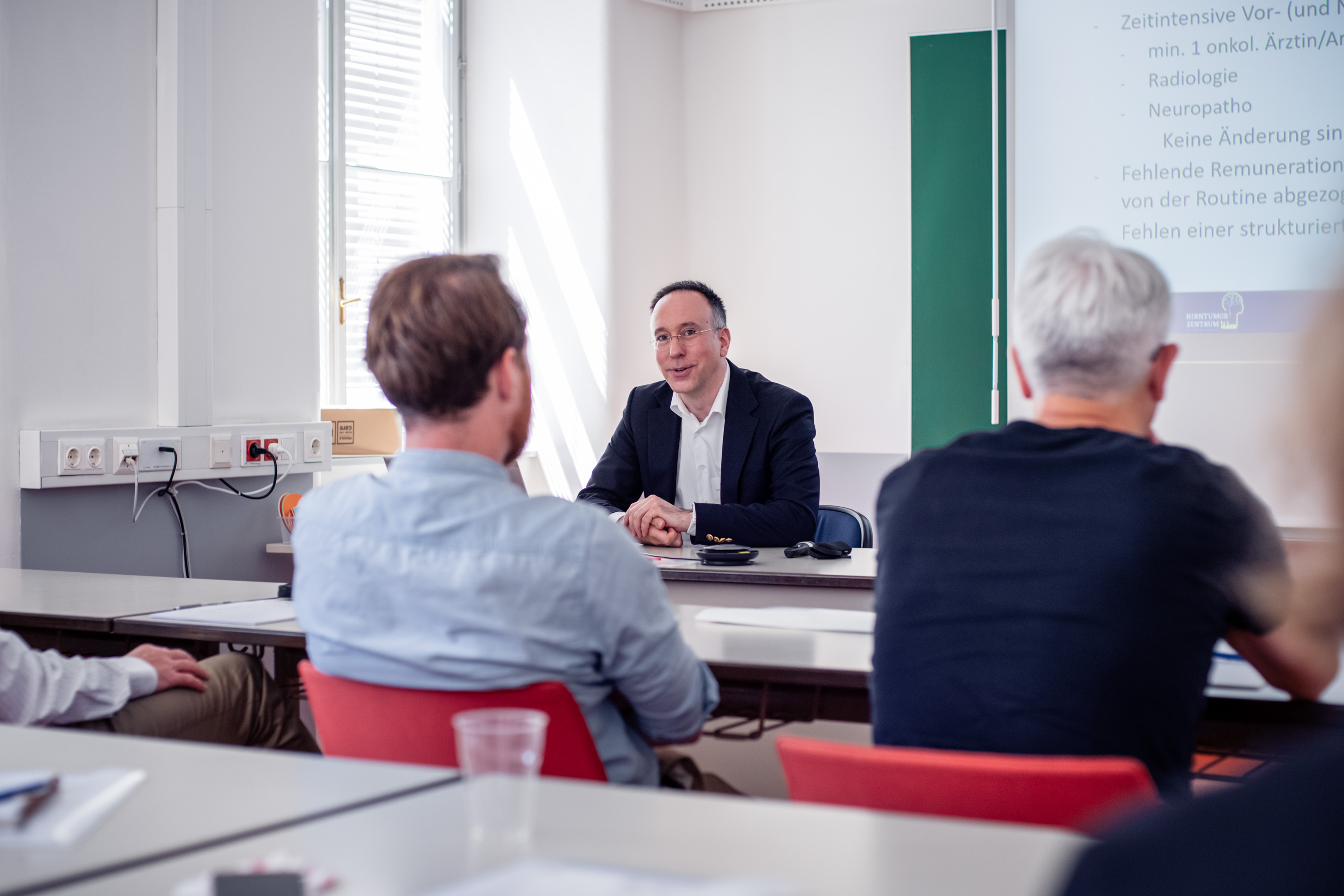



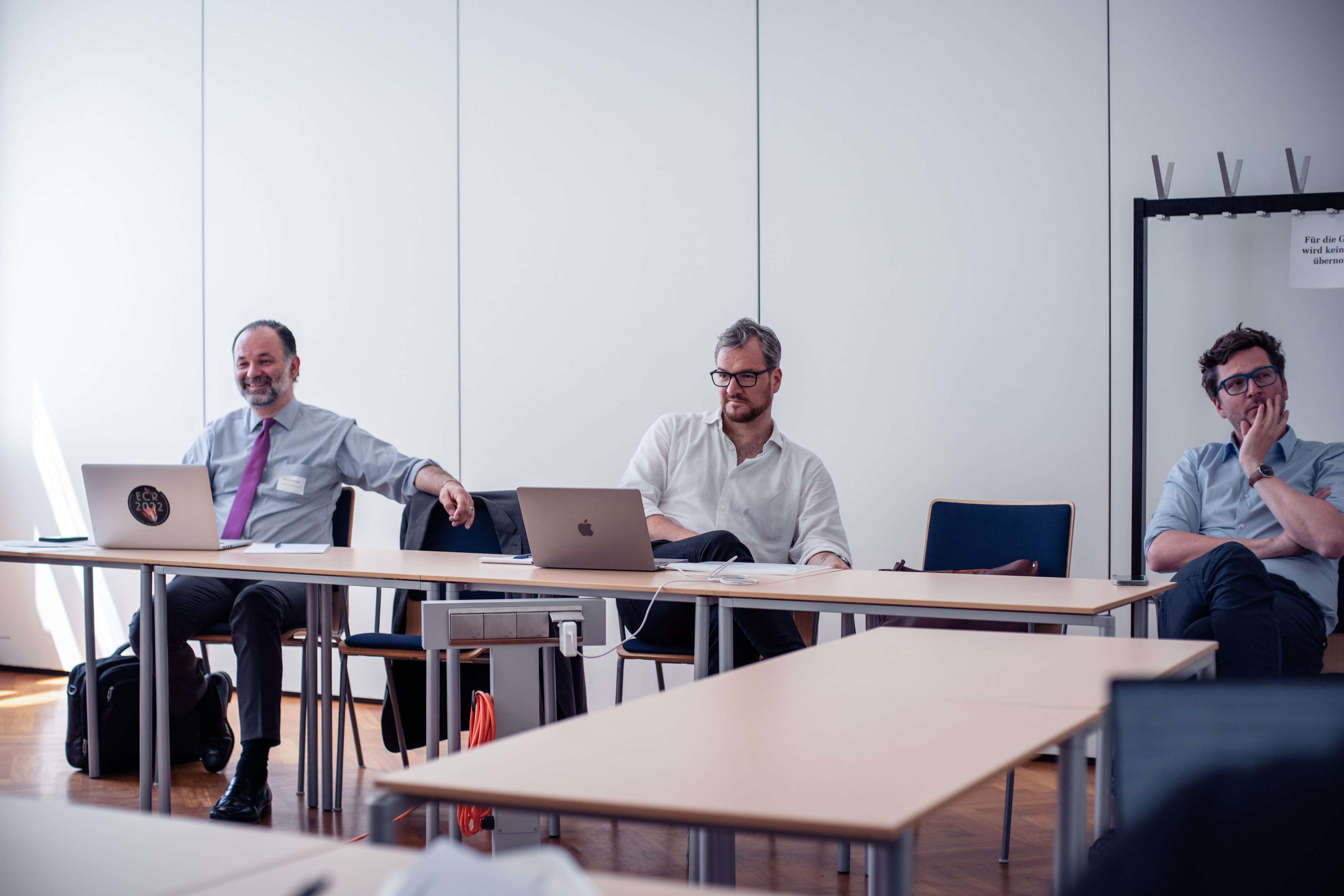
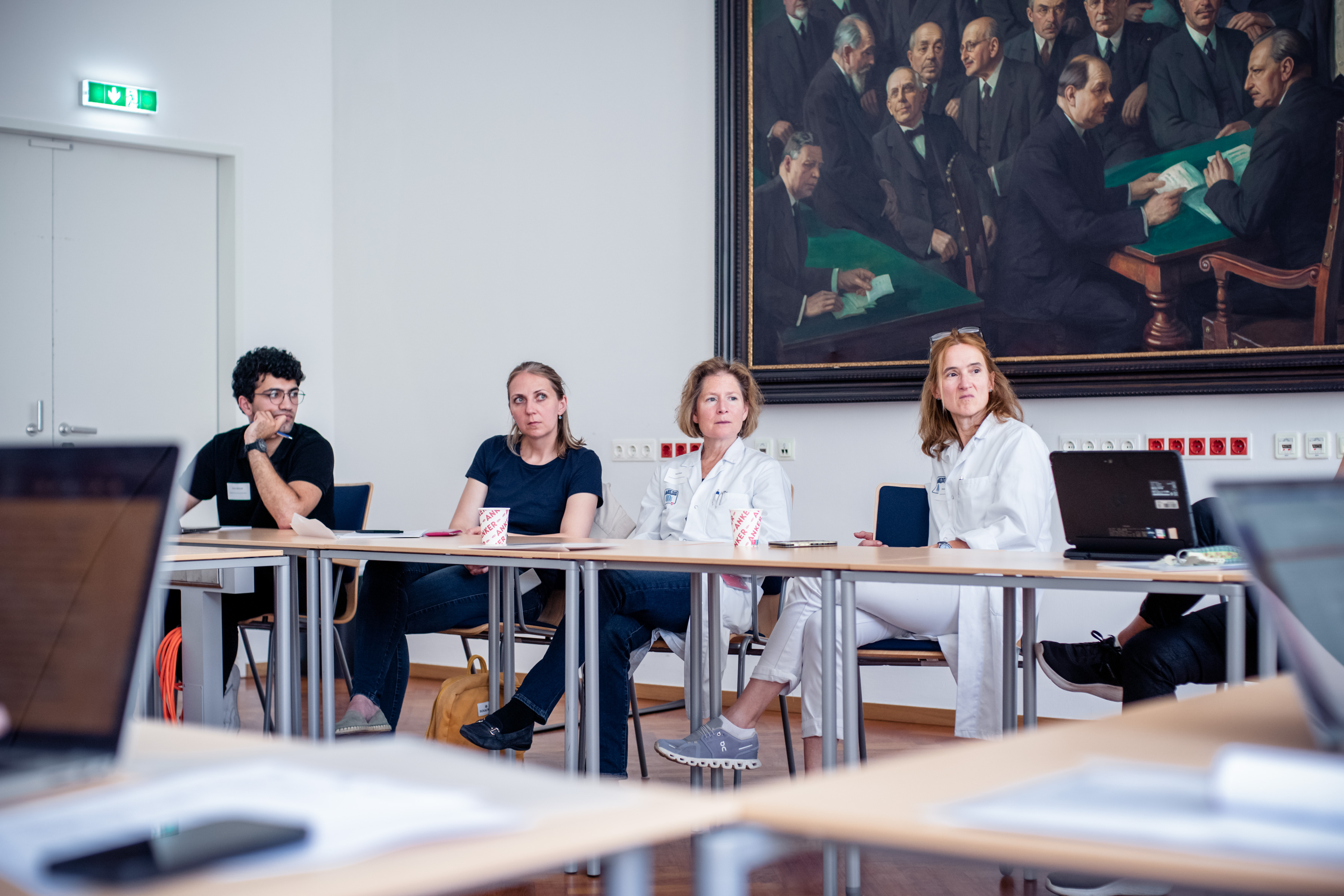

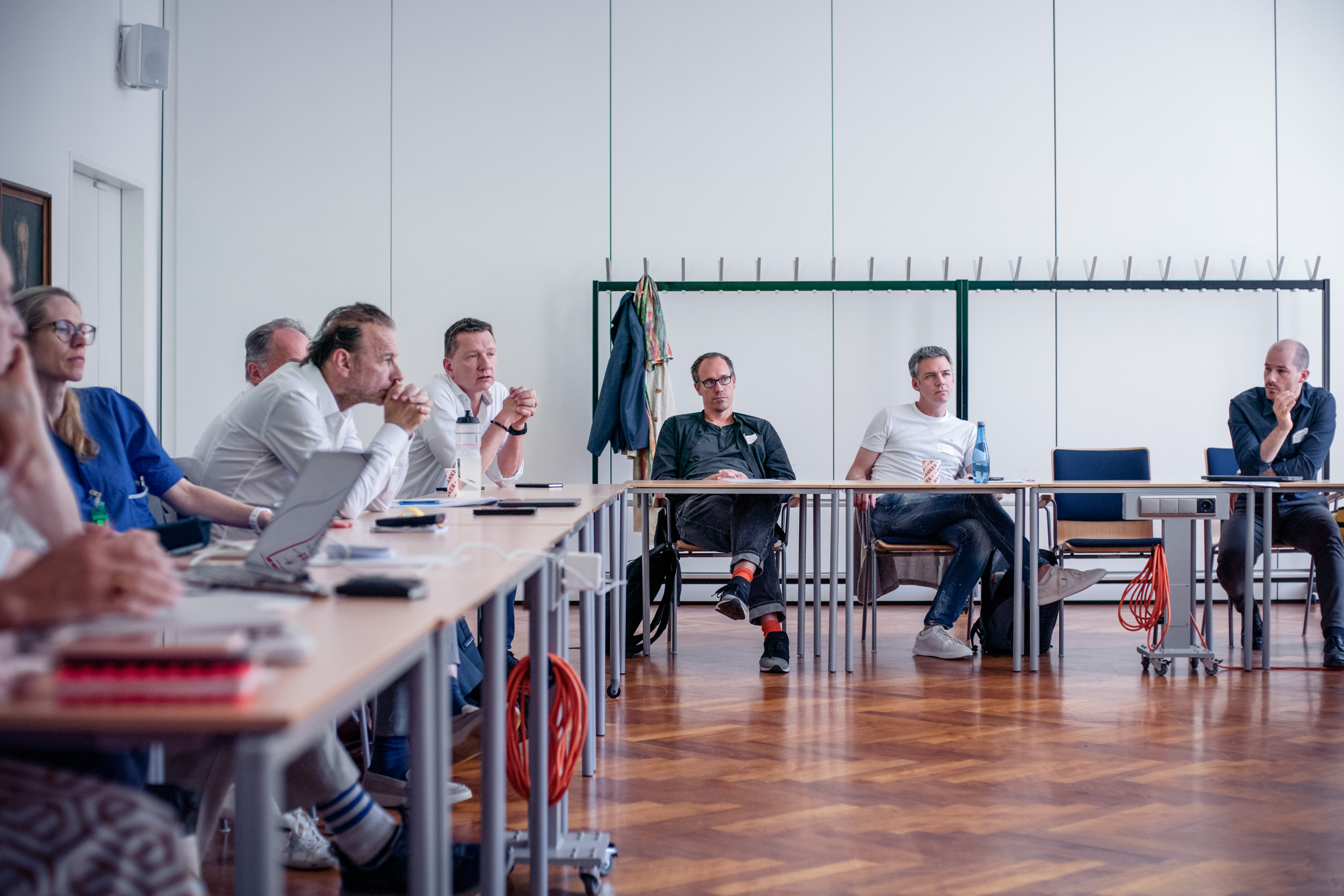
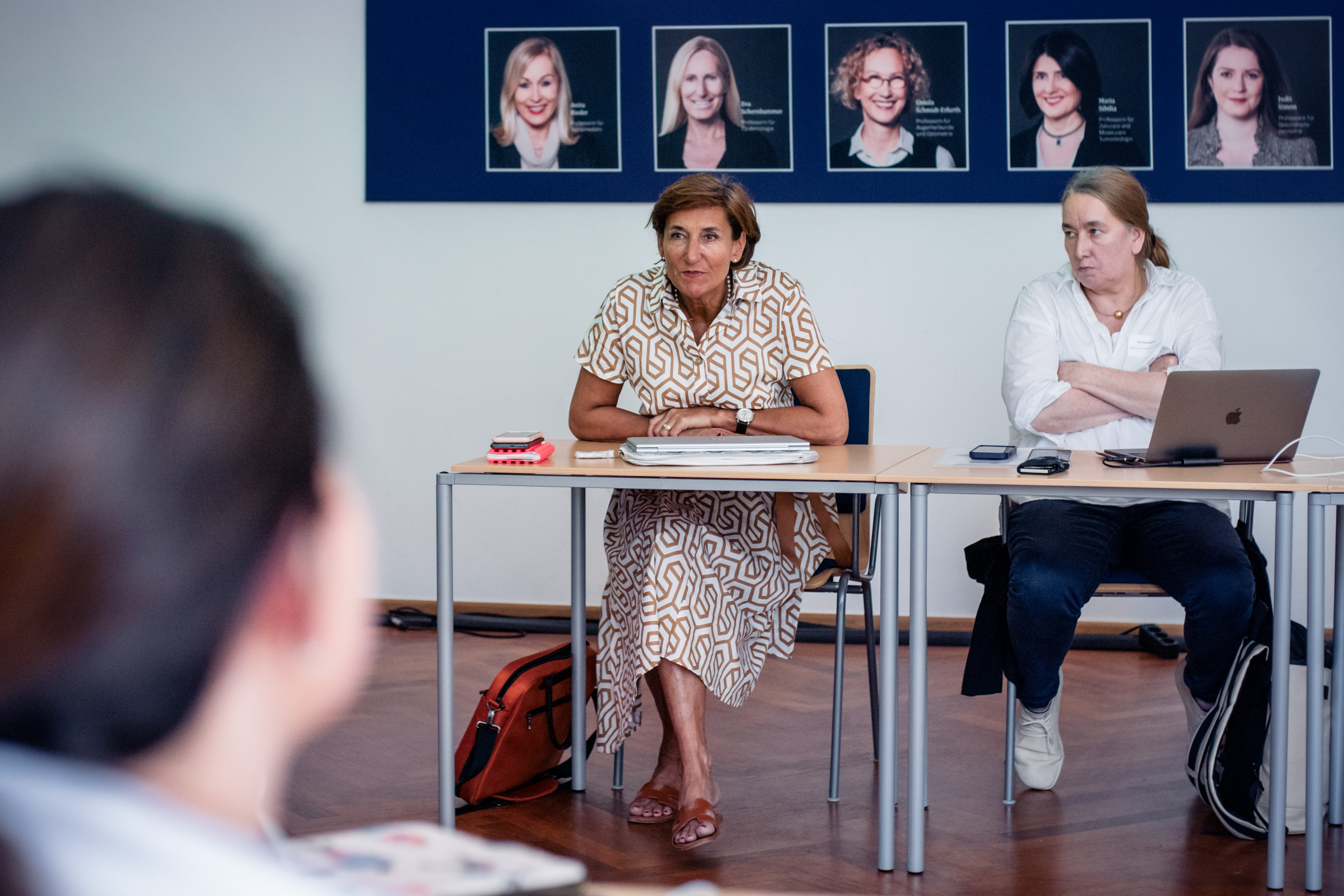

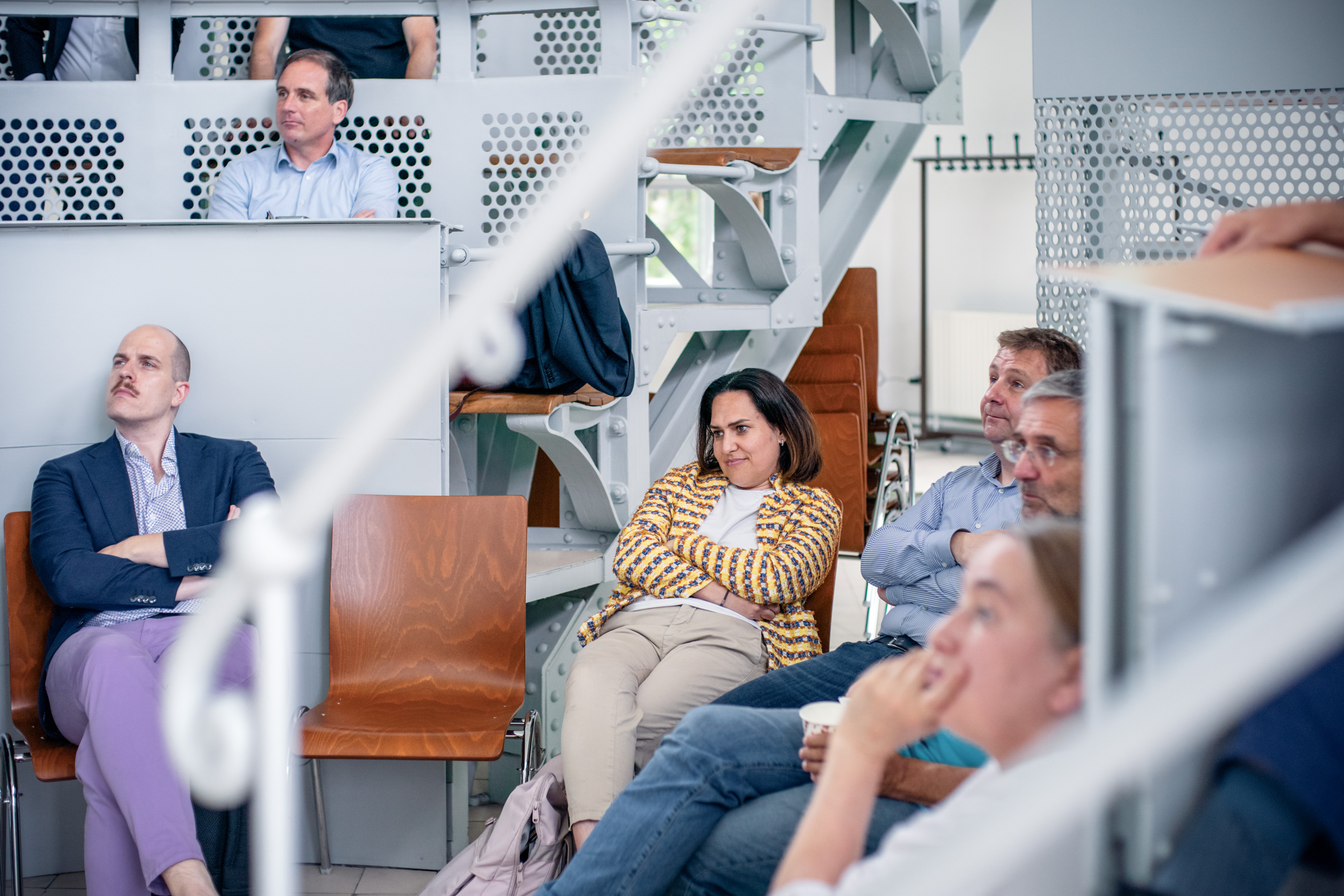
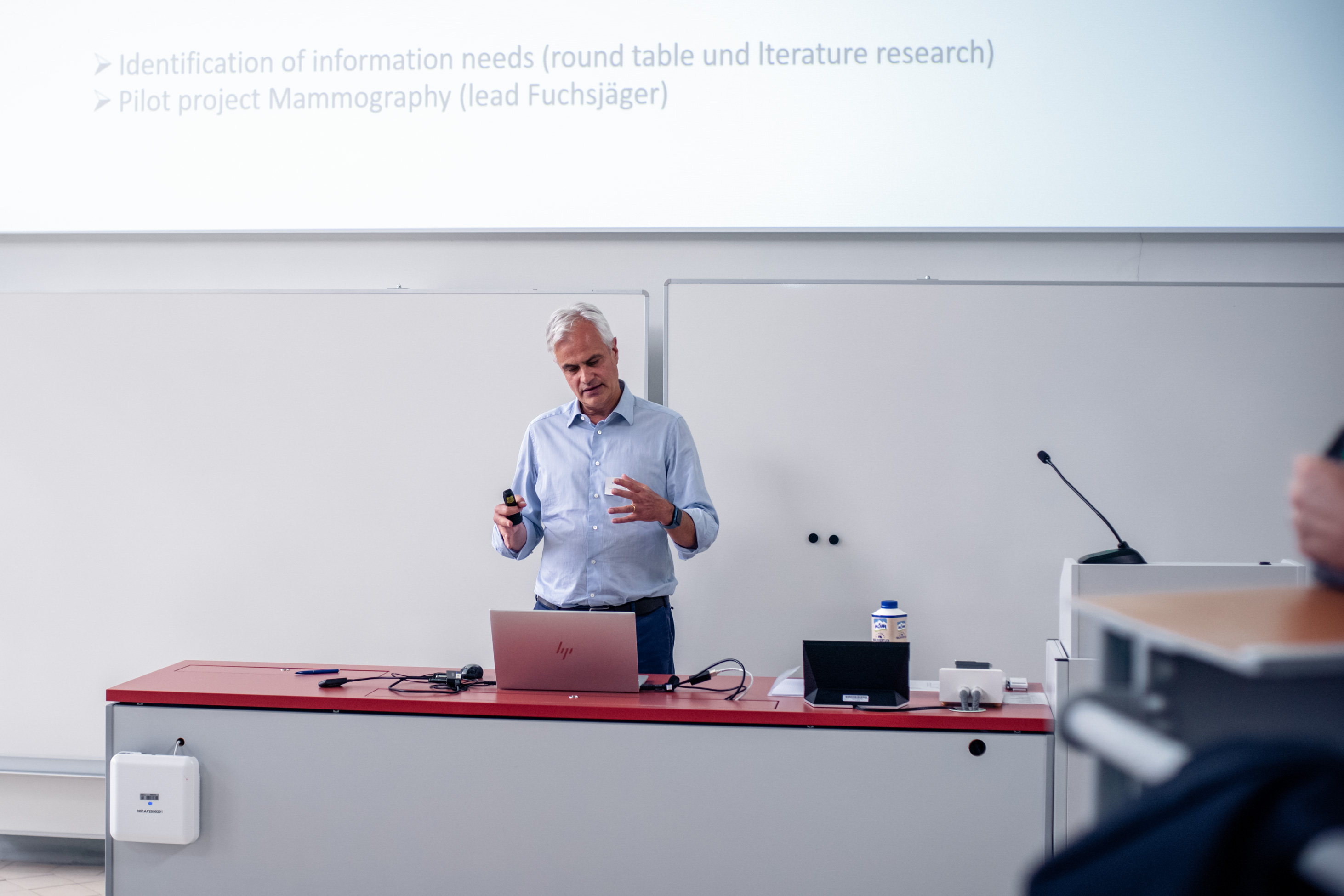


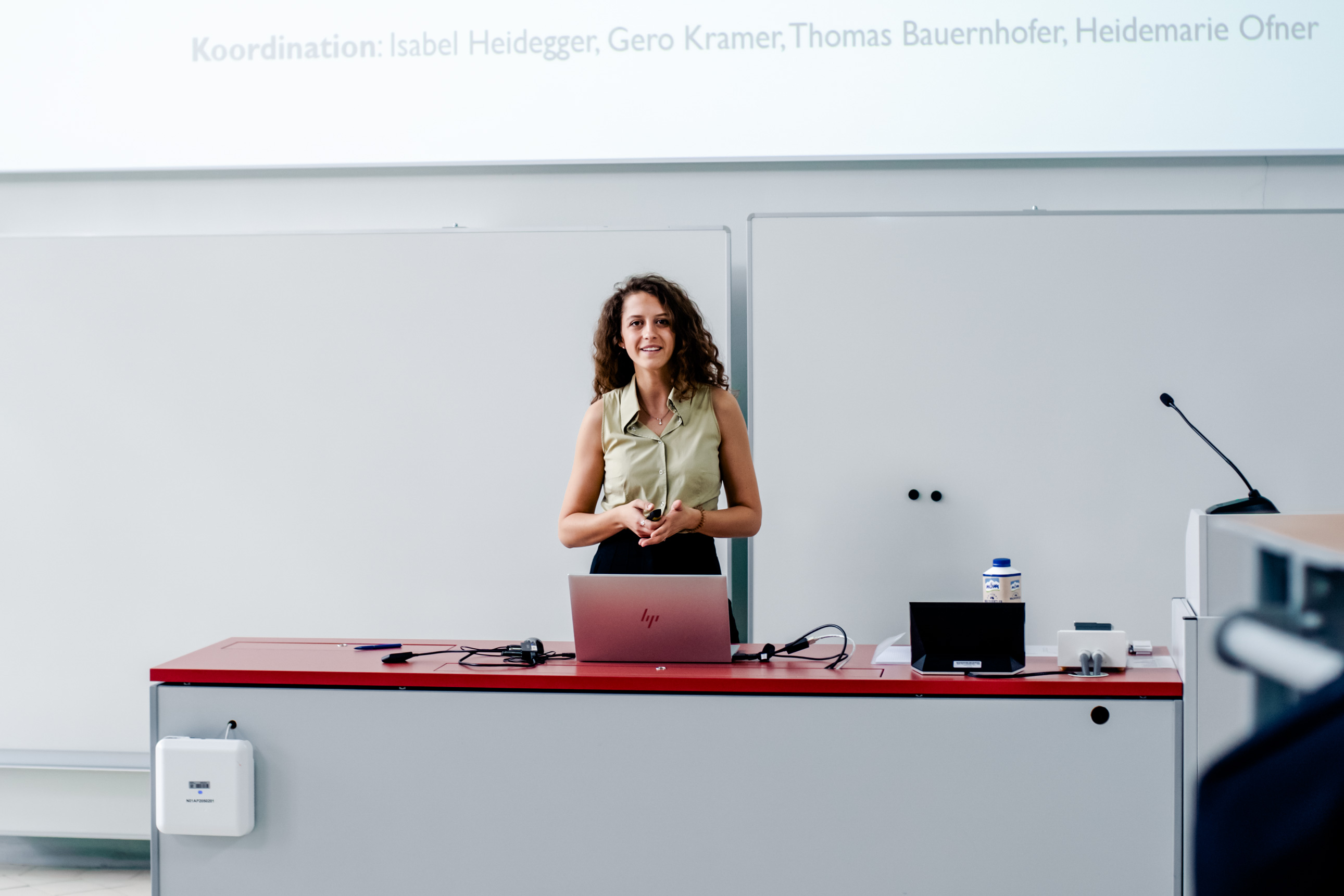





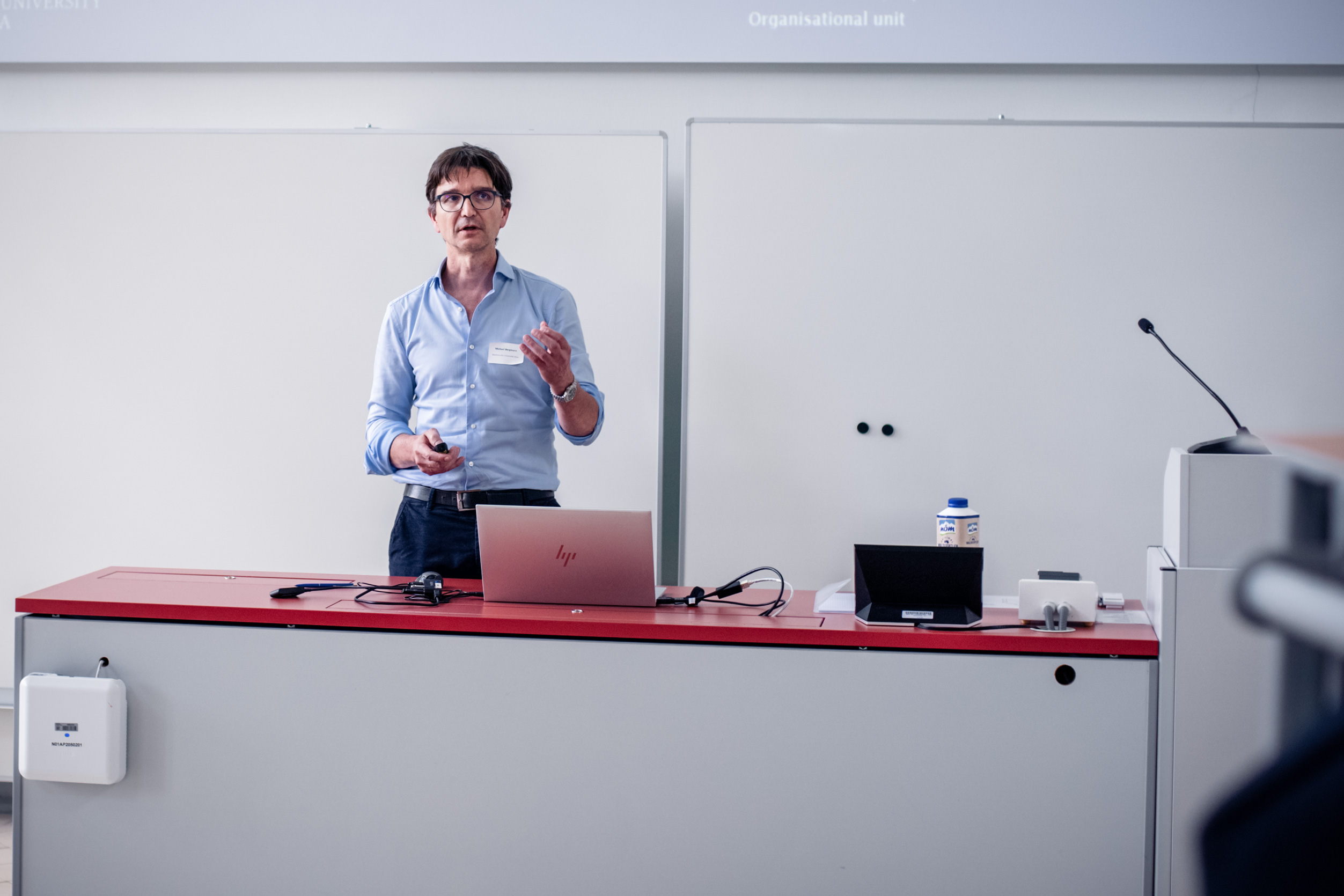

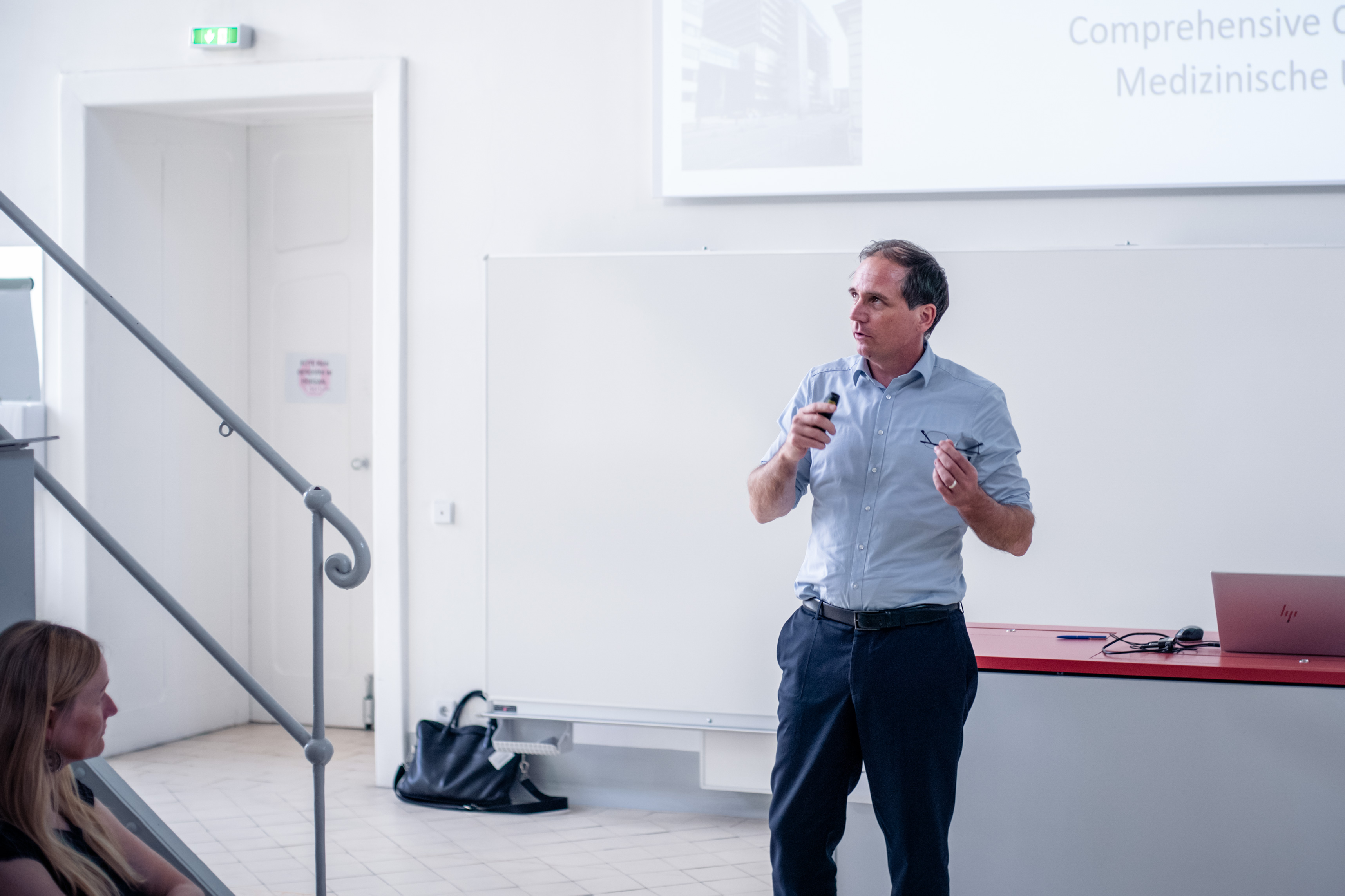
After a welcome by the three CCC directors and an overview of the ACCN, the high-level, interdisciplinary working groups focused on four common and two rare tumor diseases: Prostate, Colon, Lung and Breast Carcinoma as well as Pediatric CNS Tumors and Musculoskeletal Tumors - Sarcomas were on the agenda. In the afternoon, the Tissue and Blood Biobank, young ACCN and Precision Medicine working groups were reorganized. The cancer experts engaged in intensive discussions and developed concrete projects to be implemented together in the next step, as well as the form of further collaboration in the project groups.
Concrete projects for EU Mission Cancer
"We are delighted with the high level of commitment, the highly professional and constructive collaboration and the diversity of the projects developed," say CCC heads Shariat, Wolf and Jost. "The first ACCN Project Meeting showed how enriching and valuable it is to work together even more closely and in a more structured way beyond the boundaries of one's own organization, especially when it comes to cancer research, medicine and care." Challenges such as data protection and the different regional circumstances in the city of Vienna on the one hand and in rural areas on the other were also discussed. By founding the ACCN, the three CCCs have already fulfilled an important task that the EU Mission Cancer envisages by 2030: Close cross-center collaboration between the country's Comprehensive Cancer Centers. The project groups will submit their projects to national and EU-wide funding bodies for implementation.
After the impressive presentation of all the resulting projects at the end of the day, the networking continued at the get-together in the old AKH. The participants drew a positive conclusion from the productive day and emphasized the great benefit for the further development of cancer therapies through collaboration and learning from each other. Further CCC-wide working meetings are already being planned.